
Bold. Radical. Urgent. Those words could describe the last few years the Locarno Film Festival has screened its daring classic retrospectives. But they’ve never been felt more than in the latest edition curated by filmmaker, writer, and programmer Ehsan Khoshbakht.
Last year’s postwar Britain program included 45 films made in England between 1945 and 1960. The year before that, their Columbia 100 celebration “The Lady With the Torch” showcased 44 films made by the studio between 1929 and 1959. Like those two programs, this year’s retrospective—“Red & Black – Hollywood Left and the Blacklist”—also offers keen insights into a certain era of filmmaking, but with a distinctly political urgency. The 50 films in this series are not limited to pictures made within the Hollywood studio system; rather, they run the gamut from early American independents to international cinema stained by the blood of the blacklist.
Watched in short succession, these films paint a bleak portrait of artistic resilience amidst an onslaught of political attacks from the House Un-American Activities Committee (HUAC), and even those within the film industry itself. The retrospective, along with a six-episode podcast series and a nearly 300-page book featuring essays by film historians and critics like Imogen Sara Smith, Farran Smith Nehme, and Phuong Le, offers both an incisive look at the horrors of the recent past and also holds up a mirror to the startling parallels to the rising tide of fascism today.
By the time I arrived at the festival, about half of the screenings had already taken place. However, it felt like I had arrived at just the right time. Practically sprinting from my train, I made it to the GranRex cinema just in time for the world premiere of a documentary about blacklisted filmmaker Abraham Polonsky by the Czar of Noir himself, Eddie Muller. This powerful new film proved to be the glue that held the whole retrospective together for me. With that, here are seventeen striking films I watched over six days rife with hopeful idealism, righteous anger and indignation, and even melancholic regret for a world that’s lost its way.
“Dangerous Citizen: The Life and Times of Abraham Polonsky” (2026)
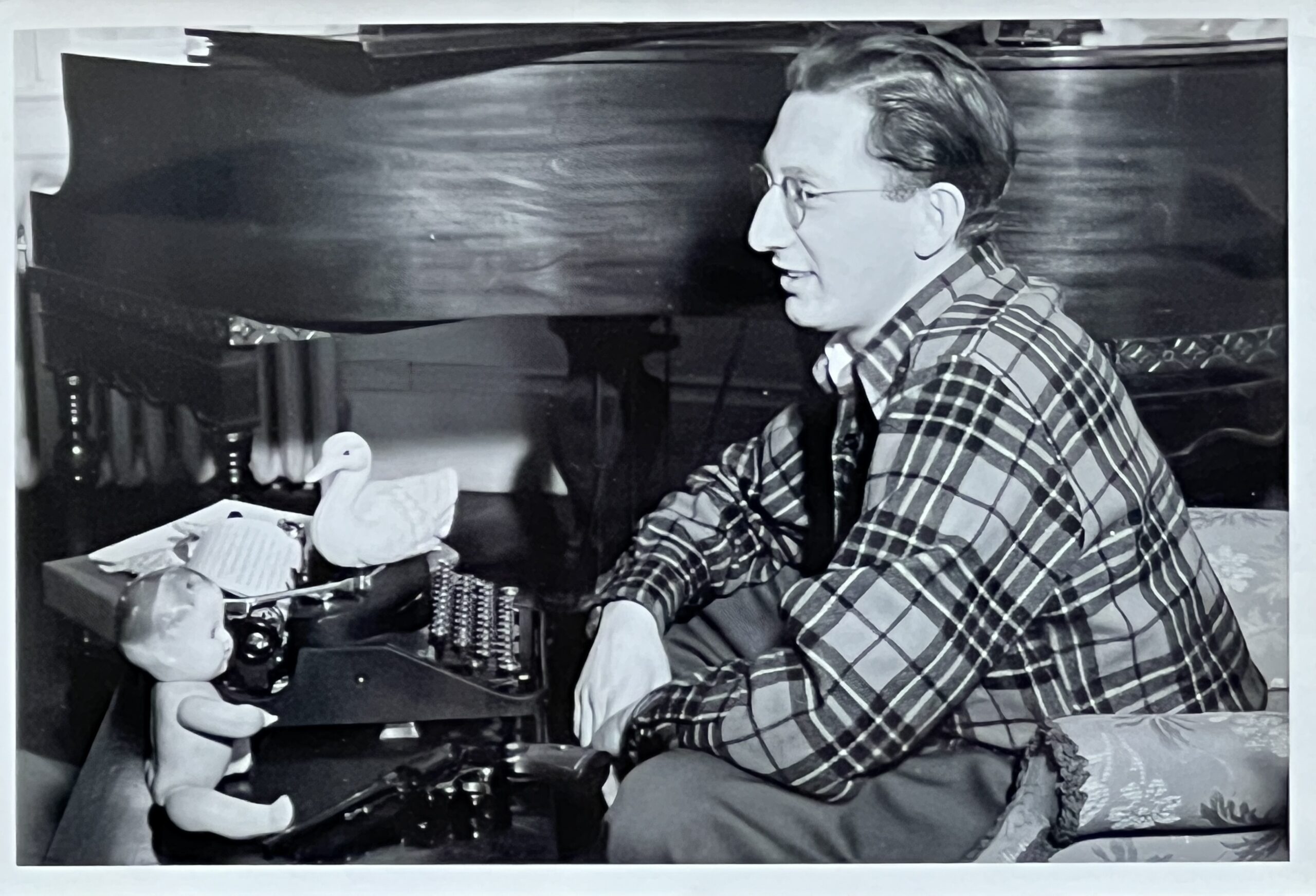
Written and produced by noirchaeologist Eddie Muller, this documentary portrait of trailblazing blacklisted filmmaker Abraham Polonsky used excerpts from Polonsky’s films, archival interviews with Polonsky and long-time collaborators like “Odds Against Tomorrow” star and producer Harry Belafonte, plus new interviews with Muller, historian Imogen Sara Smith, David Mament, Oliver Stone, fellow blacklistee Lee Grant, and Julie Garfield, whose father John Garfield worked multiple times with Polonsky on films like “Body and Soul” and “Force of Evil,” to survey a key figure in a politically fraught time in Hollywood—and American—history that seems to largely be forgotten today. The doc thoroughly uses film clips to serve both as a slick overview of Polonsky’s career for those uninitiated, and as encouragement to rewatch his work with fresh eyes.
The film also offers a deft introduction to the history of the Hollywood Ten, of which Polonsky was a member. The doc doesn’t stop at the rise of the blacklist; it also surveys Polonsky’s later career, like his return to filmmaking with “Tell Them Willie Boy Is Here” in 1969 and his time as an instructor at various film schools. While the interviews with his film students are illuminating, as are the archival clips of Polonsky himself, the film’s most powerful moment belongs to Julie Garfield. While discussing the death of her father from a heart attack at the age of 39, just a year after he made his last film “He Ran All The Way,” she says, “I’m 72 years old, and I’ll never get over it.” It’s a reminder that while filmmakers like Polonsky had their careers deferred, others, like Garfield, lost their lives to the madness that HUAC wrought. Muller’s film was paired with a screening of Polonsky’s anti-capitalist noir “Force of Evil” (1948), featuring one of Garfield’s most nuanced and complex film performances.
“The Hollywood Blacklist: The Survivors Tell Their Stories” (2026)
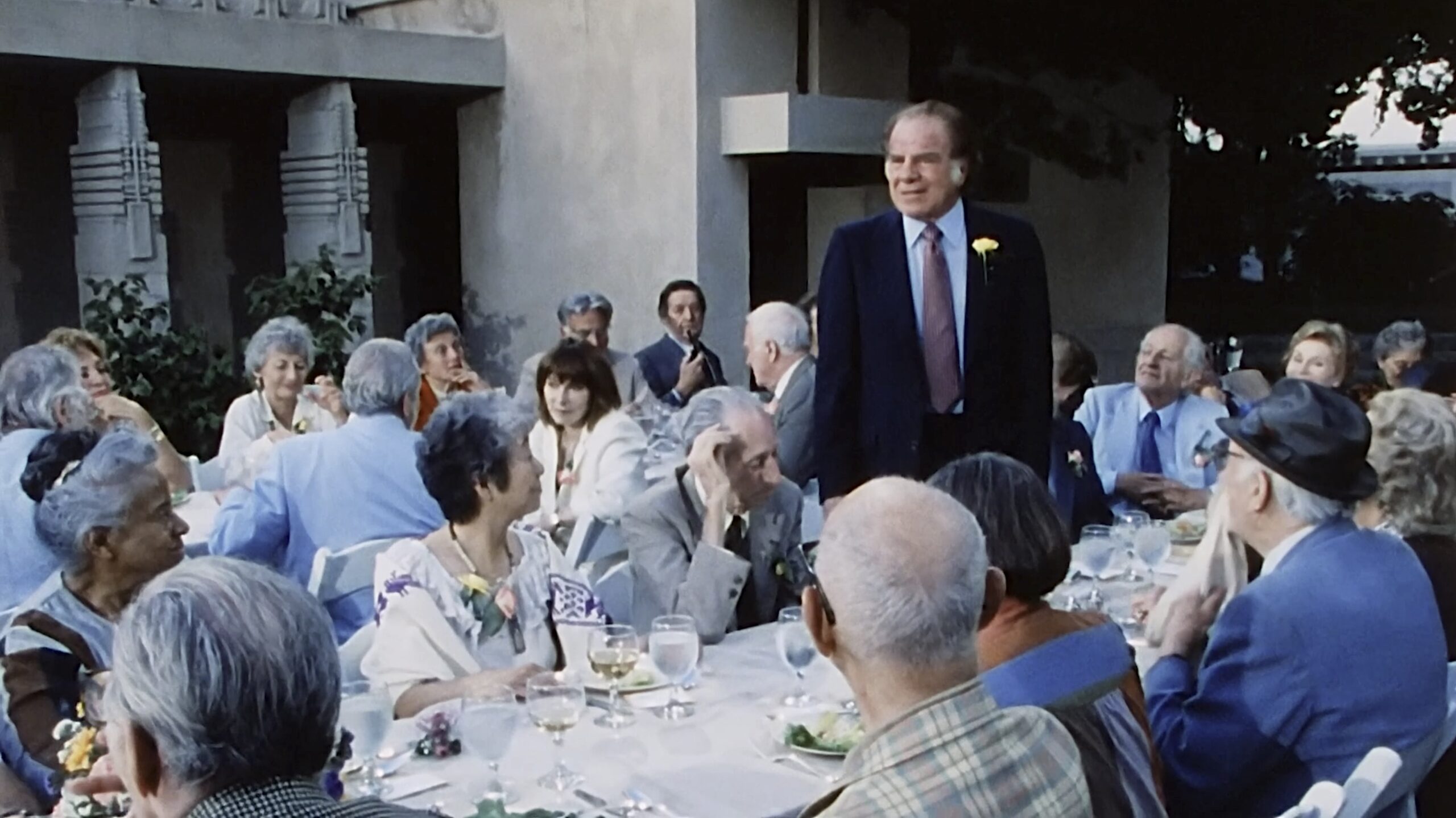
A few days later, I watched another world premiere documentary: Marie-Dominique Montel and Christopher Jones’s “The Hollywood Blacklist: The Survivors Tell Their Stories.” The film is crafted from archival footage shot by film historian Pat McGilligan, who says, because of McCarthyism, “Hollywood was traumatized, and it changed forever,” during a reunion of about a hundred or so blacklistees who came together one day in Los Angeles in 1983. The rushes were improperly stored for decades, causing significant damage. The filmmakers entrusted Blake Jones to digitally restore the footage, using new software he designed for the task.
While the restored footage is sometimes wonky, the candid interviews it preserves with blacklistees like Ben and Norma Barzman, Jules Dassin, Sam Jaffe, Lester Cole, Karen Morley, Ring Larder, Jr., and Lionel Stander are invaluable for their insights and their righteous fury. The film itself feels like it was made for television, and often spends too much time foregrounding the history of the blacklist in its most basic terms, rather than using the oral histories this footage contains. As I watched, I kept wishing it were structured more like “Once Upon A Time In Harlem,” and just let the interviews and the footage of the reunion speak for themselves. This doc was shown as a double feature with filmmaker and actual Soviet spy Irving Lerner’s “City of Fear,” which is what Hollywood had become with the cloud of HUAC hovering over its head.
“The North Star” (1943)
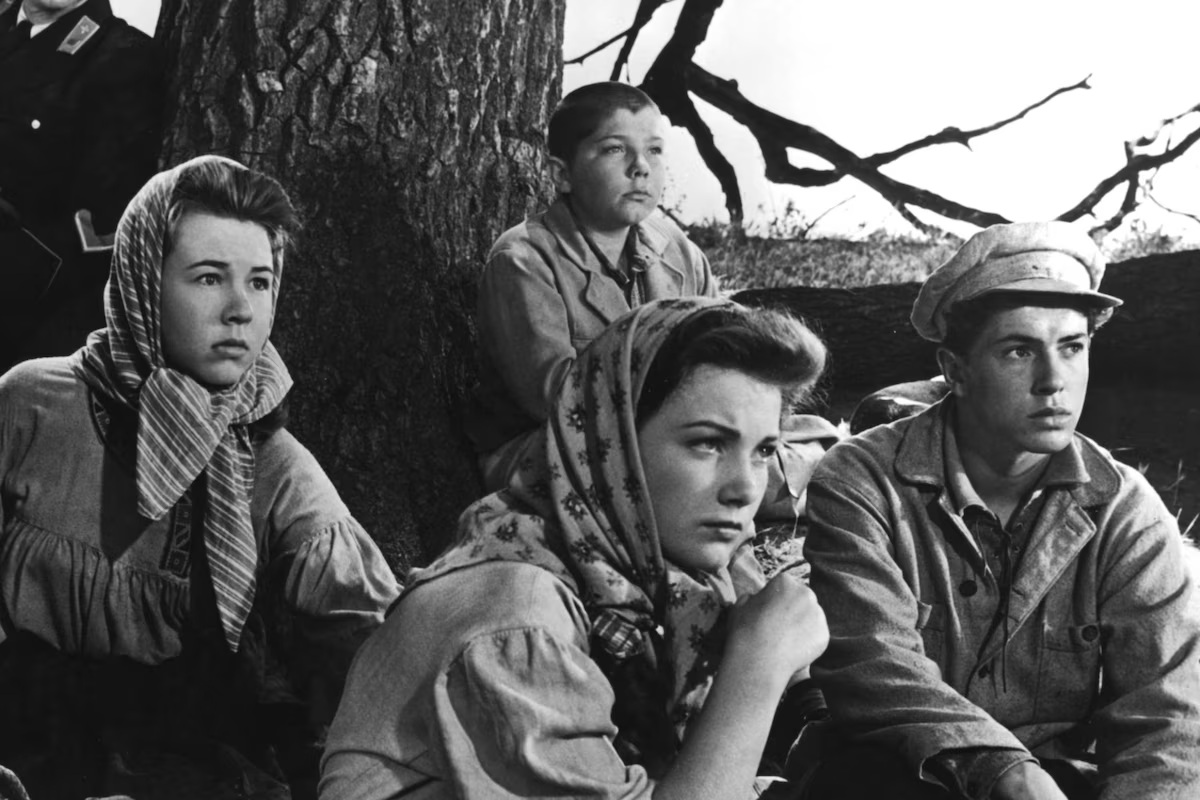
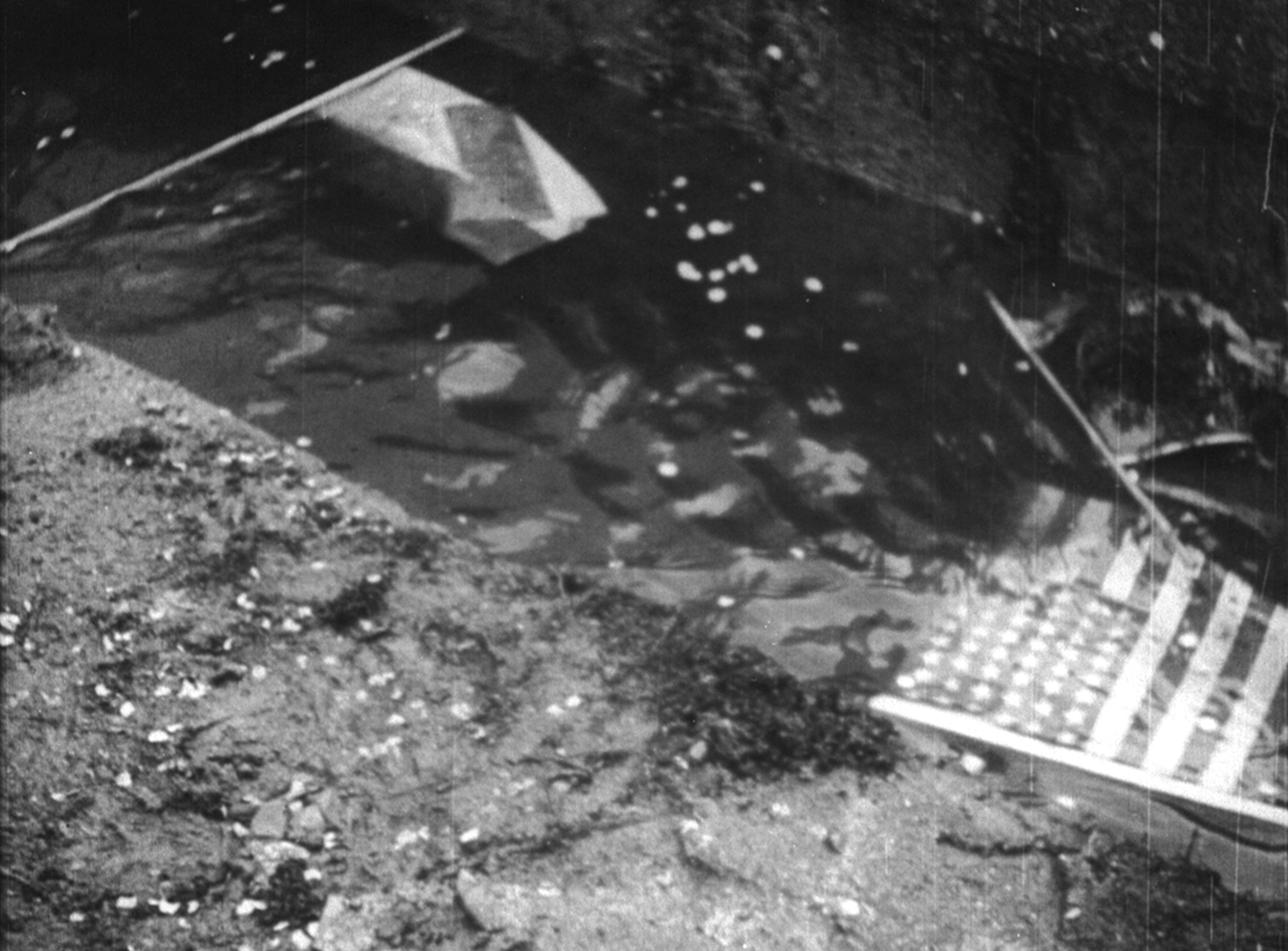
A film made during World War II to remove distrust between the American people and the Soviet Union, who were our wartime allies, “The North Star” became controversial after the war and was re-edited to remove its propagandistic opening sequence of communal harmony on a collective farm. Described by Khoshbakht in his introduction as the “reddest director in Hollywood,” the film’s director, Lewis Milestone, was of Ukrainian-Jewish descent and firmly believed in the virtues of collectivism, as seen in the film’s true ensemble nature. Deemed by Khoshbakht as the closest Hollywood got to fully endorsing a Marxist-Leninist way of life, “The North Star” was written by Lillian Hellman, who was blacklisted for her communist views and political activism.
The first half of the film is very much a collectivist fever dream, presenting an idyllic vision of communal farm living as we’re introduced to its inhabitants, who include a pair of strong-willed school girls (Anne Baxter and Jane Withers), a pilot (Dana Andrews), an esteemed doctor (Walter Huston), a love mother (Ann Harding), an idealistic high school graduate (Farley Granger), and a wise old man (Walter Brennan, putting a singular spin on his beloved wise fool persona). This harmony gives way to the dissonance of invasion, and eventually the abject brutality of occupation. Children we saw at play in the first half are gunned down by the Nazi invaders and left to die alone in the cool stream that flows through the village. An oddity of the era, Milestone’s film is a social-realist wartime musical that, at its heart, is about what it takes to have the courage of your convictions.
“Salt of the Earth” (1954)
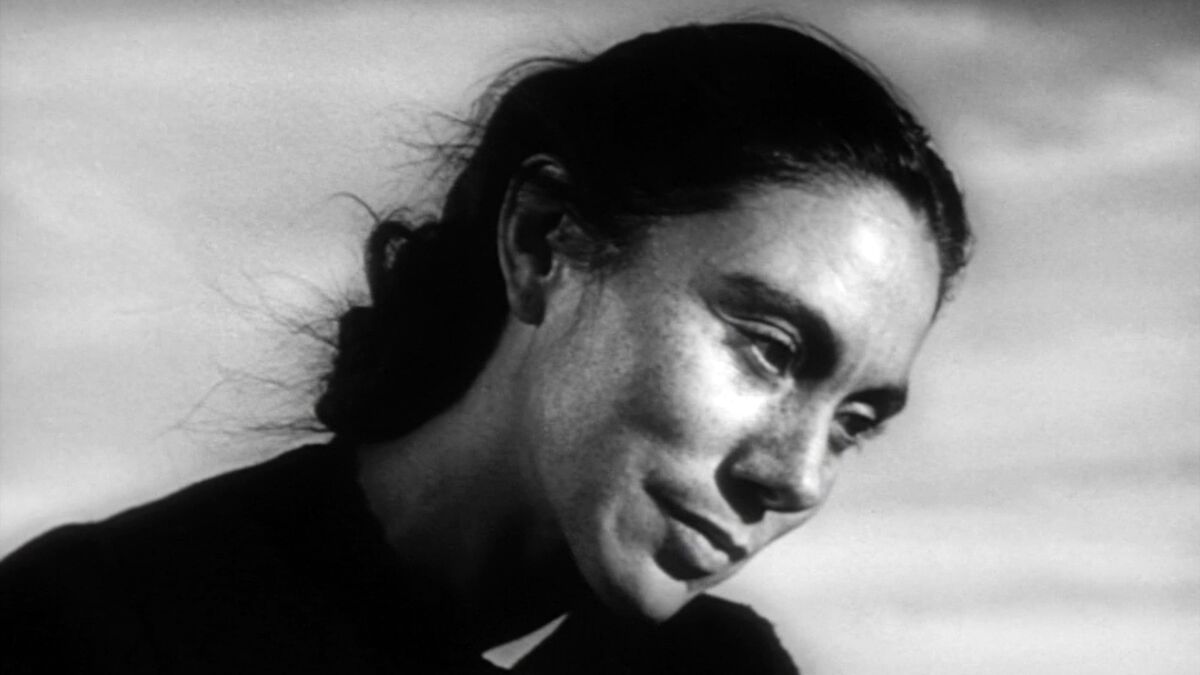
Screened on 35mm with an insightful introduction by critic Phuong Le, who also wrote about Jarrico in the retrospective companion book, this milestone of American independent film encapsulates several of the socialist themes that pulsate throughout the retrospective: workers’ rights, women’s rights, and immigrant rights. A collective work made equally by its director Herbert J. Biberman, screenwriter Michael Wilson, and producer Paul Jarrico, the film doesn’t just tell the stories of striking miners; it was made in collaboration with them as well. Although the cast is led by a few professional actors, like Rosaura Revueltas and Will Greer, most of the striking mineworkers and their wives depicted in the film were non-actors who actually worked the mines and fought for their union rights.
Shot in a style reminiscent of Italian neorealism, “Salt of the Earth” centers on a group of miners and their wives working in a mine in Zinc Town, New Mexico. Although their people had lived on this land long before the territory became part of the United States, they are treated like second-class citizens. Their homes do not have hot water, their contract with the company is not equal to that of the white unions, and their mine is considerably more dangerous. When they finally go on strike, the men have to learn to let go of their misogyny and let the women be equal participants in their shared future, or as one of the women says, “If we win we’ll win more than just the strike, we’ll win hope.” A resounding success of social criticism and artistic expression, the film was hampered financially by the theaters that owned the means of distribution and the studios that pressured them not to screen it. However, its spirit lives on in films like “Harlan County, U.S.A.” by Barbara Kopple and even Lucrecia Martel’s “Nuestra Tierra.”
“Smash-Up: The Story of a Woman” (1947)
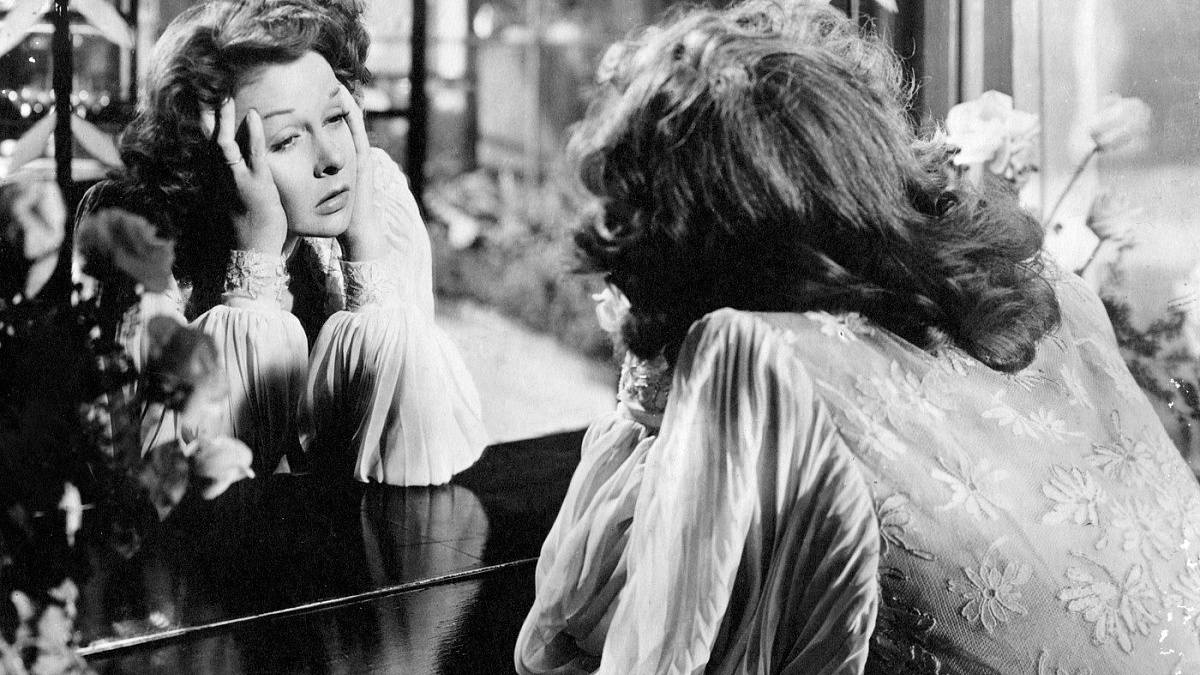
As with “Salt of the Earth,” many of the films programmed focused specifically on the lives of women. I missed screenings of pivotal films like “Tender Comrade,” “Caged,” “Woman in Hiding,” and Ida Lupino’s directorial debut “Not Wanted,” but thankfully I had seen them before (although I would have loved to see them on the big screen and think about them in the context of the retrospective). However, I did catch a pristine 35mm screening of the subversive Susan Hayward weepie “Smash-Up: The Story of a Woman,” a film I had only seen once, years ago via a terrible rip on YouTube. Based on a story by Dorothy Parker with a screenplay co-written by blacklisted John Howard Lawson and directed by Stuart Heisler, the film was the first of several vehicles for Hayward in which she embodied a new kind of independent woman. She specialized in characters who bucked against the chains of patriarchy or found themselves crushed by its crippling weight.
On its surface, “Smash-Up” is a prototypical Hollywood melodrama with big emotions, crushing drama, and a star-crossed love affair. Yet, Parker et al use this template to smash up conventions and explore complex themes like female isolation, the rise of rampant consumerism, and the suffocating grasp of patriarchy in post-war America. Loosely based on the tumultuous life of Bing Crosby’s first wife Dixie Lee, Hayward stars as Angie Evans, a popular nightclub singer who gives up her promising career to support the dreams of her husband Ken (Lee Bowman) and raise their child. Soon finds herself drawn into despair and alcoholism after the demands of Ken’s rising radio stardom lead him to neglect her emotional needs. The glamorous Hayward is unafraid of pushing herself to the limits of this part; her body becomes at times a limp rag, ravaged by alcoholism, while at other times she rages with the fury of self-hatred. For this fearless performance, she received her first of five Oscar nominations for Best Actress (eventually winning the award in 1958 for “I Want to Live!”). Along with Hayward’s gripping performance, Marsha Hunt, who would later be blacklisted for her staunch beliefs, offers a counternarrative to Angie’s miserable housewife, as a radio executive who also finds herself eaten up and spit back out by the cold indifference of patriarchy.
This screening was preceded by a 35mm print of the short musical film “Symphony of Swing,” featuring bandleader and clarinetist Artie Shaw, who went into self-imposed exile in Spain after being blacklisted in 1953.
“The Young One” (1960)
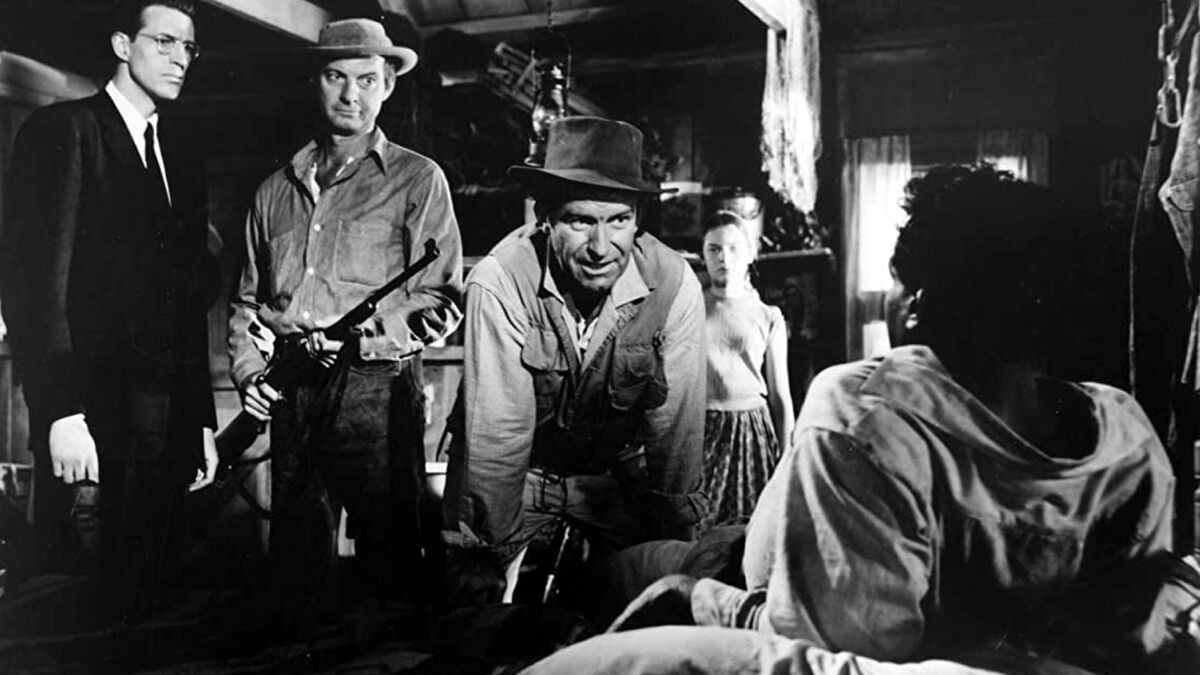
This rarely screened gem from the early days of Luis Buñuel’s Mexican era was a collaboration between blacklisted writer Hugo Butler and producer George P. Werker. Screened on 35mm from a print on loan from the Harvard Film Archive, this film was a real highlight in the middle of the retrospective, inspiring many spirited discussions from the nearly sold-out crowd afterward.
A parable about the insidious, festering nature of American racism during the mid-century mixed with Buñuel fascination with both the power and fragility of female virginity the film centers on three main characters: Traver (Bernie Hamilton), a Black clarinetist on the run after he’s accused of raping a white woman; Hap (the always great Zachary Scott), the irascible game warden of a private island off the Carolina coast: and his ward Evvie (Key Meersman), whose recently deceased grandfather was the handyman on the island. The filmmakers use these three characters to explore the complex balance of power in American society. Hap, an illiterate grouch, holds both Evvie’s and Traver’s future in his greasy hands. Evvie, whose “innocence” is taken by Hap the first chance he gets, is the only person who can help Traver make it off the island alive, while Traver must rely on Evvie to do the right thing and help him escape.
These power dynamics are distilled in two powerful sequences. In one, Traver explains that “It’s easy for him to kill me, but hard for me to kill him so he still has the power.” In the other, Traver needs Evvie to untie him so he has a chance to flee while Hap and his cronies are distracted by drink. When Evvie hesitates, saying “They’ll hit me,” he replies, “If they get me to town, they’ll kill me.” The church also catches strays in the form of a priest (Claudio Brook) who is willing to give Travers the benefit of the doubt about his innocence, but won’t sleep on the same mattress as him. The slippery subject of systemic racism and the violence it evokes was also explored in other retrospective selections like “Native Son,” in which author Richard Wright stars in the filmic adaptation of his own novel, and the William Faulkner adaptation “Intruder in the Dust,” which features a trailblazing turn from Juano Hernandez.
“Stranger On The Prowl” (1952)
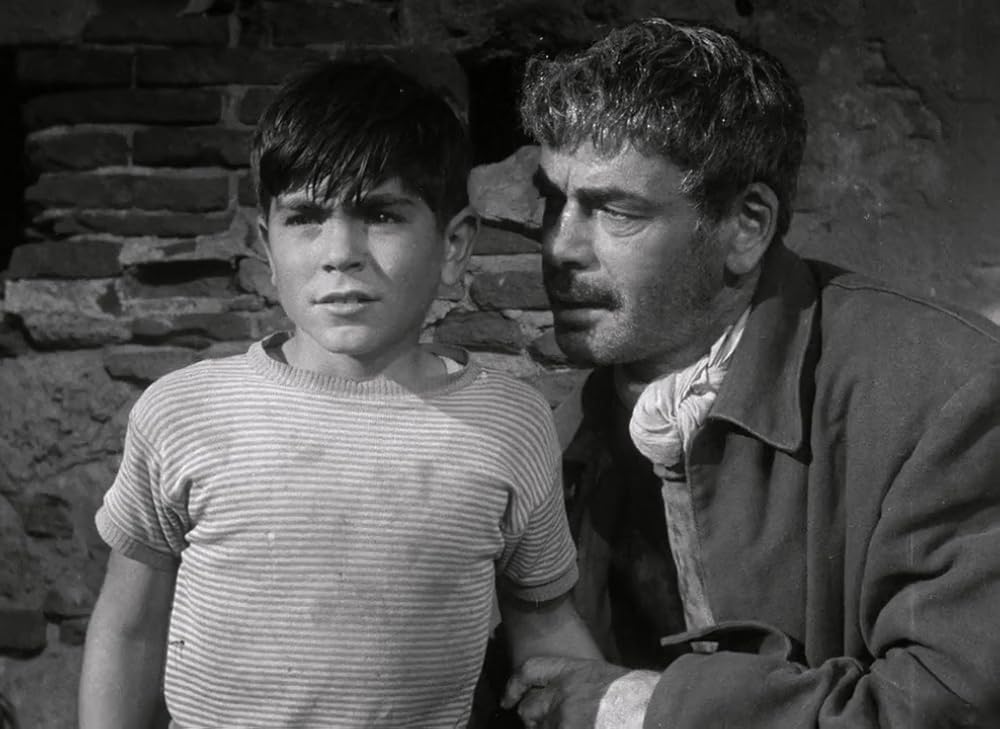
“They’re all waiting for me to die. I have a right to be hungry. I have a right to eat. I have a right to live,” says the unnamed stranger (a wonderfully restrained Paul Muni) in blacklisted director Joseph Losey and screenwriter Ben Barzman’s insightful spin on Italian neorealist drama. Muni’s stranger finds himself trying to make money for a boat fare in a bombed out post-war town where another lost soul, a young boy named Giacamo (Vittorio Manunta) hopes to earn enough from playing marbles to attend a traveling circus. Soon these two lives collide as the film explores the hopeful innocence of childhood and the hopeless frustration of a new generation of forgotten men.
A film that finds itself in a curious liminal space between the class conscious films of Losey’s later career, like “The Servant” and “The Go-Between” (minus the psychosexuality) and the post-war Italian neorealist films like “Shoeshine,” “Rome, Open City,” and “Bicycle Thieves,” it also at times harkens back to another social realist film starring Muni, the depression era prison reform drama “I Am a Fugitive from a Chain Gang.” After Muni’s stranger accidentally kills a cheese shop owner out of hunger and flees the scene, a cop asks a bystander why he did not report that the stranger had a gun, admonishing him because he “might have prevented a murder.” The man retorts, “Why didn’t you give him some cheese? You might have prevented a murder.”
The 35mm screening began with an emotional Q&A between Khoshbakht and Losey’s son Gavrik Losey, who tearfully asked: “How do you sum up a life in ten minutes?”
“He Who Must Die” (1957)
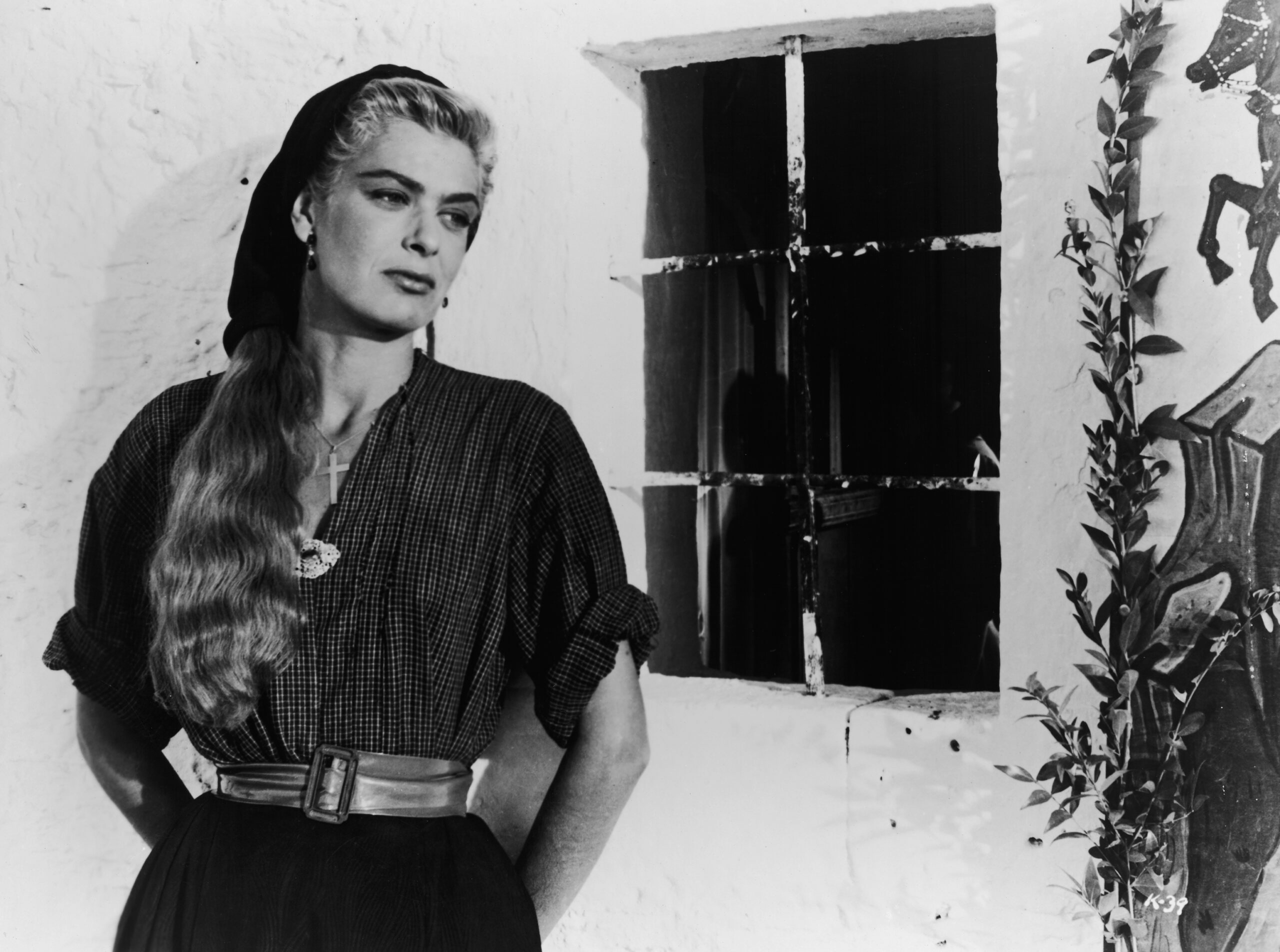
Also co-written by Barzman, along with fellow blacklist-exiled director Jules Dassin, “He Who Must Die” adapts Nikos Kazantzakis’s 1948 novel “Christ Recrucified” into a parable about modern-day hypocrisy, rife with socialist and pro-immigrant themes, as well as anti-capitalist and anti-imperialist ideology. Set in the 1920s during the Turkish occupation, the film centers on a small Greek town preparing for its annual passion play about St. Elijah. Their preparations are interrupted by a group of starving refugees, the only survivors of a village that resisted occupation, who have set up camp on the outskirts of town. While the town at first seeks to give them shelter, their corrupt priest (Fernand Ledoux) and collaborating leader (Gert Froebe) oppose the act of charity.
The humble, stuttering shepherd (Pierre Vaneck) picked to play Christ in the passion play becomes Jesus incarnate, advocating for the poor and the weary, while a war widow turned sex worker (Melina Mercouri) is tapped to play Mary Magdalene, showing a courage of conviction that proves to be much stronger than those who judge her for how she earns her living. The sharp script not only cuts to the hypocrisy at the center of the church, the aristocracy, and the occupying forces who are “just following order,” but also a whole world that has turned its back on Christ’s socialist teachings. In the film’s dynamic climax, one stalwart young man decries the feckless priest, insisting that “If Jesus came back to Earth today, he’d be crucified again and you would lead the way.”
“Welcome Mr. Marshall!” (1953)
Directed by Luis García Berlanga and co-written by Juan Antonio Bardem (Javier Bardem’s uncle), this Spanish satire sees a Castilian village desperately pretend to be an Andalusian village in an attempt to seem “authentically Spanish” after they hear that American officials in charge of allocating funds via the Marshall Plan will be passing through. In his introduction, Khoshbakht said he wanted to screen this film for one thirty-second sequence in which a bigoted priest has a nightmare about the impending Americans that imagines them as a HUAC-like tribunal dressed up in hoods that evoke the KKK.
The dream sequences in the film not only parody popular American films like noir, westerns, and backstage musicals, but also criticize Spain’s colonial past and the parallels between McCarthyism in the U.S. and the Spanish Inquisition. Ultimately, the film uses its sharp humor not only to examine both the false hope that is the “American Dream” and its own country’s hypocrisy and damaging attempt at homogenization of its rich and varied culture, but also to make the case that Spain should not allow itself to be dependent on aid from the United States. It proudly declares that the Spanish people unite with all their specificity intact as they stand proud and walk into the future on their own.
“Spain Again” (1969)
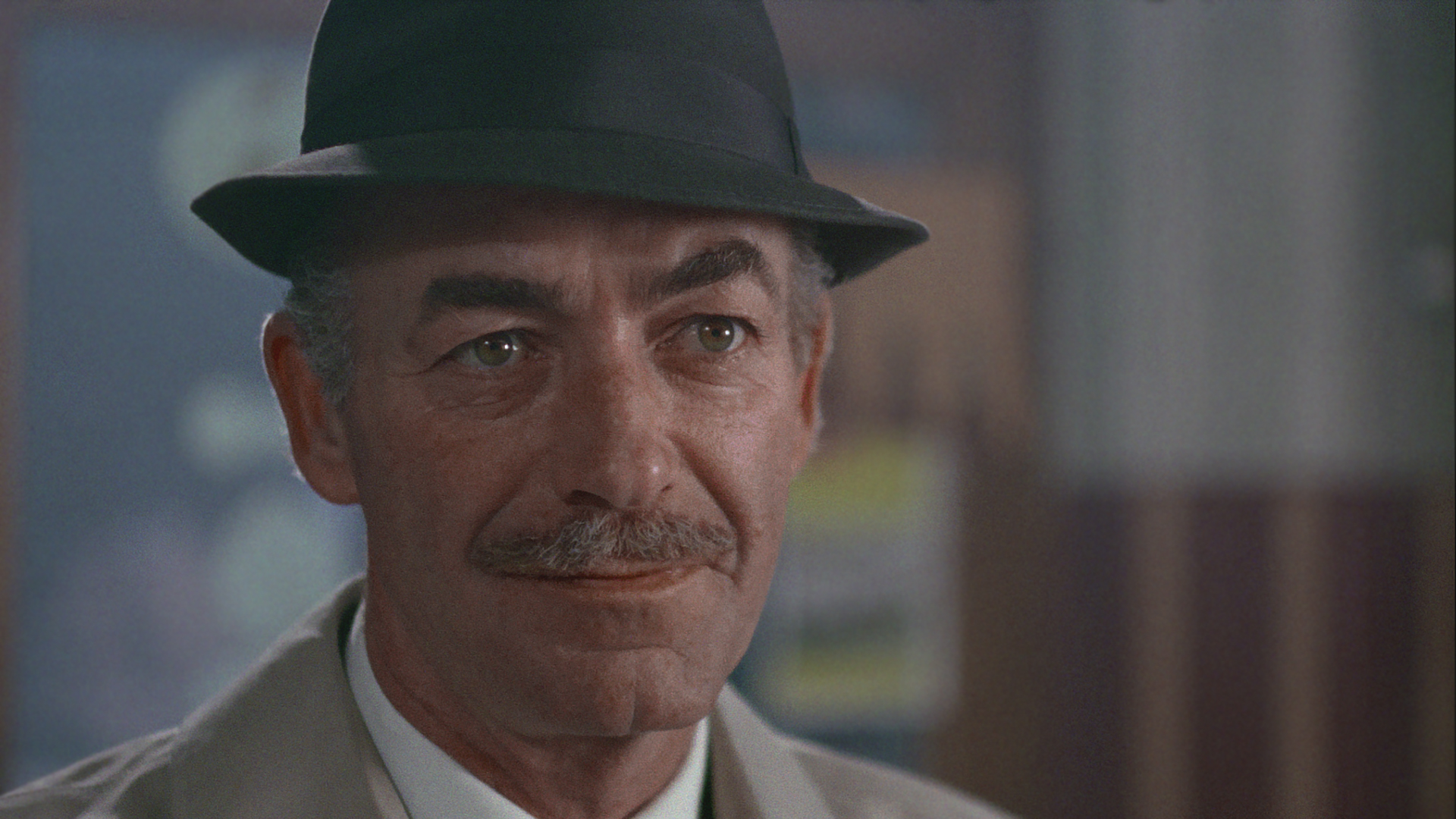
Blacklisted screenwriter Alvah Bessi, a member of the Hollywood Ten, mined his own experiences during the Spanish Civil War for this melancholic drama. Director Jaime Camino keeps this largely forgotten gem humming along in a striking, yet minor, key and offers a wonderful showcase for Mark Stevens, who himself could be described as largely forgotten. One of the industry’s first triple threats, Stevens was a popular television actor during the 1950s and also directed several singular genre films, including the Alaska-set noir “Cry Vengeance.” He stars as a soulful neurosurgeon, Dr. David Foster, who has returned to Spain for a medical conference, his first time back in the country since he fought as part of the Abraham Lincoln Brigade during the Spanish Civil War.
While a romantic subplot where Foster finds himself drawn to the daughter of his one-time lover, played by flamenco dancer Manuela Vargas, doesn’t really hold up all that well, the film’s politics remain as sharp as ever. When Foster says it was his duty as a doctor to go and serve in the war, his colleague disagrees, asserting that “medicine and politics don’t mix.” It’s hard not to see the scene through the parallel lens of contemporary films like the documentary “American Doctor,” which follows three surgeons who traveled to Gaza to aid those injured by the ongoing genocide. “We helped people who were suffering,” Foster retorts. In another scene, a colleague mournfully declares he hopes those crazy times won’t ever come back; Foster ruefully reminds him that they have “in Vietnam.” A tender elegy for the broken ideals of this country’s leftist past, Camino’s film reminds us that history is indeed a circle, and that fascists will rise again if we don’t keep fighting.
“We Were Strangers” (1949)
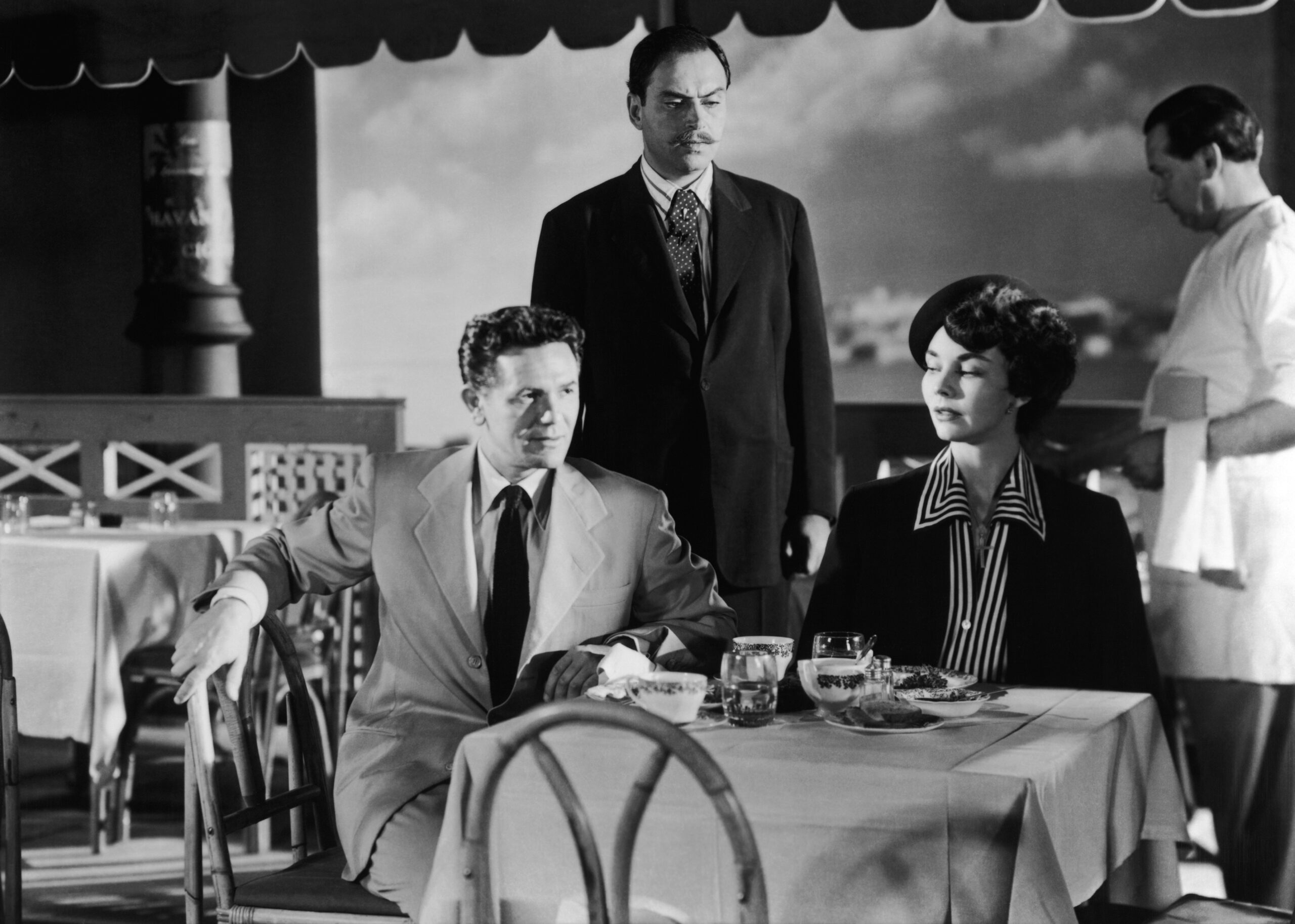
This John Houston joint was described by Khoshbakht as one of the “forgotten films of the Red Scare era.” A critical and box office failure, it’s a curious mixture of staunch political commentary and traditional Hollywood adventure filmmaking. Featuring yet another tremendous turn from the great John Garfield, already looked ravaged by the stress of HUAC persecution that would in just a few years claim his life, the film is set in 1933 during the waning days of Machado’s dictatorship. Inspired by a true story, Garfield plays a Cuban-American who returns to Havana and joins a subversive group of guerrillas plotting to liberate his country.
The film looks back at the pre-WWII leftist liberation movements much like “Spain Again” does, but with a still hopeful eye towards the future. Although star Jennifer Jones affects a creaky accent to play China, a bank employee radicalized after she sees her younger brother gunned down on the steps of his university by a seedy government official (a never-better Pedro Armendáriz) solely for passing out leaflets, she gives a typically fiery performance (and even gets to wield a machine gun in the film’s gonzo finale). The film also features a standout supporting turn from heartthrob Gilbert Roland as a beefy partisan and silent film legend Ramon Novarro as the leader of the underground movement. As the group begins to lose heart after their plot goes awry, China reminds them that failing is not a disgrace; it’s only a disgrace if you don’t try.
“Point of Order” (1964)
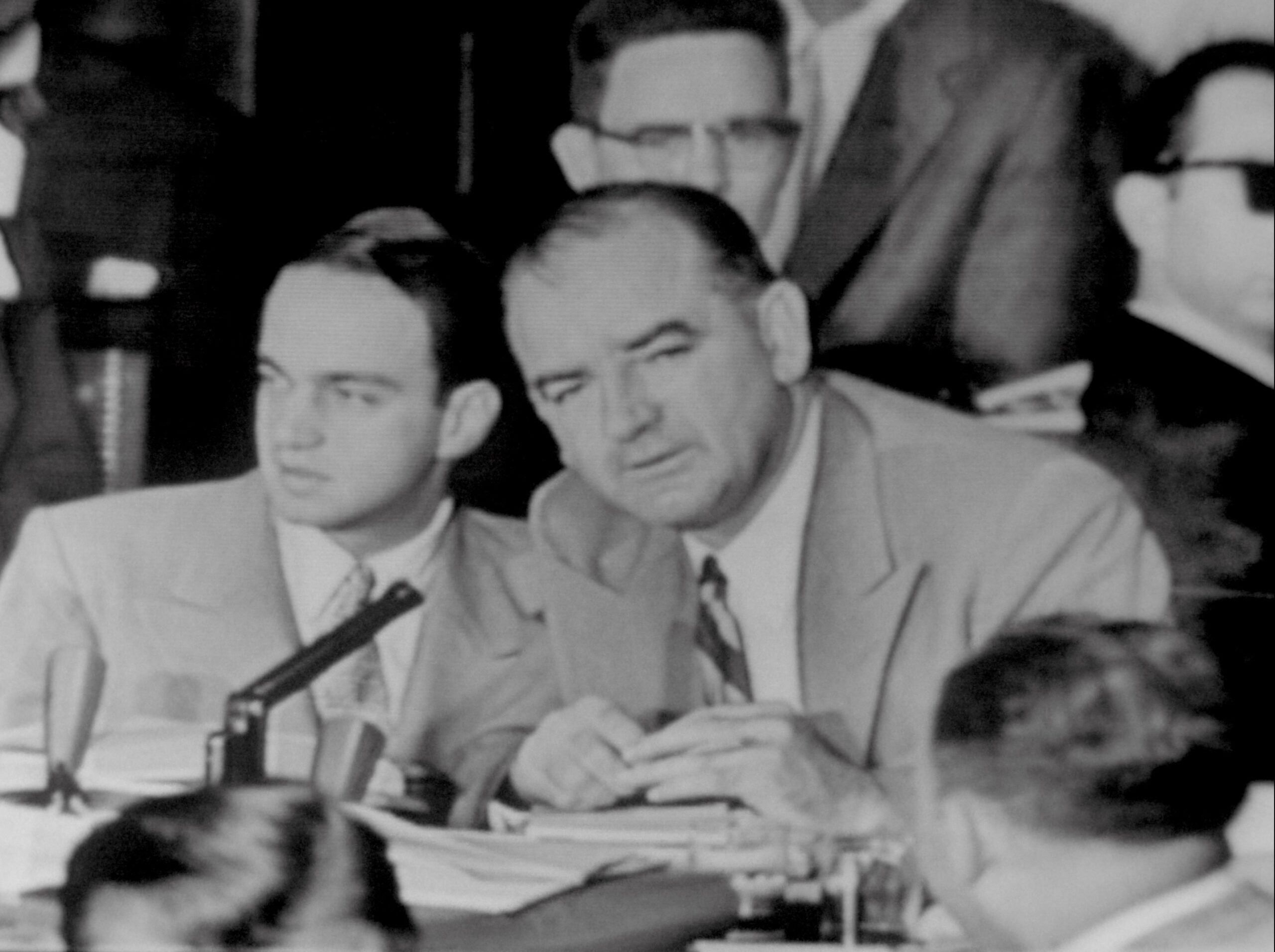
Introduced by RogerEbert.com Associate Editor Robert Daniels and screened on 35mm, Emile de Antonio and Dan Talbot’s fiery archival documentary uses hours of footage from the kinescope recordings of the televised 1954 Army–McCarthy hearings to examine what was then a dark plot on America’s recent past. A dizzying feat of editing, the filmmakers craft a gripping courtroom drama from this footage, out of testimonies by Senator Joseph McCarthy, Roy Cohn, Senator Stuart Symington, and other key figures from the hearings, which, when it was first broadcast live on television, had been watched by approximately 27 million viewers. A decade later, when the film hit theaters, McCarthy was dead, the blacklist had largely been broken, and screenwriters like Dalton Trumbo and other blacklistees were working regularly again in Hollywood.
It’s hard not to look back at this footage and see nothing but a circus full of pompous men, whose unchecked lust for power and lack of decency destroyed countless lives across the country, the impact of which still reverberates to this day. It’s easy to see parallels in how politics play out in our country today, where hearings are still full of obfuscation, personal vendettas, and perversions of power, rather than any real concern for the well-being of the citizens these people are meant to govern. The echoes of McCarthy’s attacks not just on Hollywood, but anyone on the American Left, including those who worked in higher education, can be seen today with Governor DeSantis’ dismantling of free speech at New College in Florida. Films like “Point of Order” give us a glimpse back at a time that seems a long time ago, and urge us not to forget the sins of the past lest we be doomed to repeat them.
“Red Hollywood” (1996)
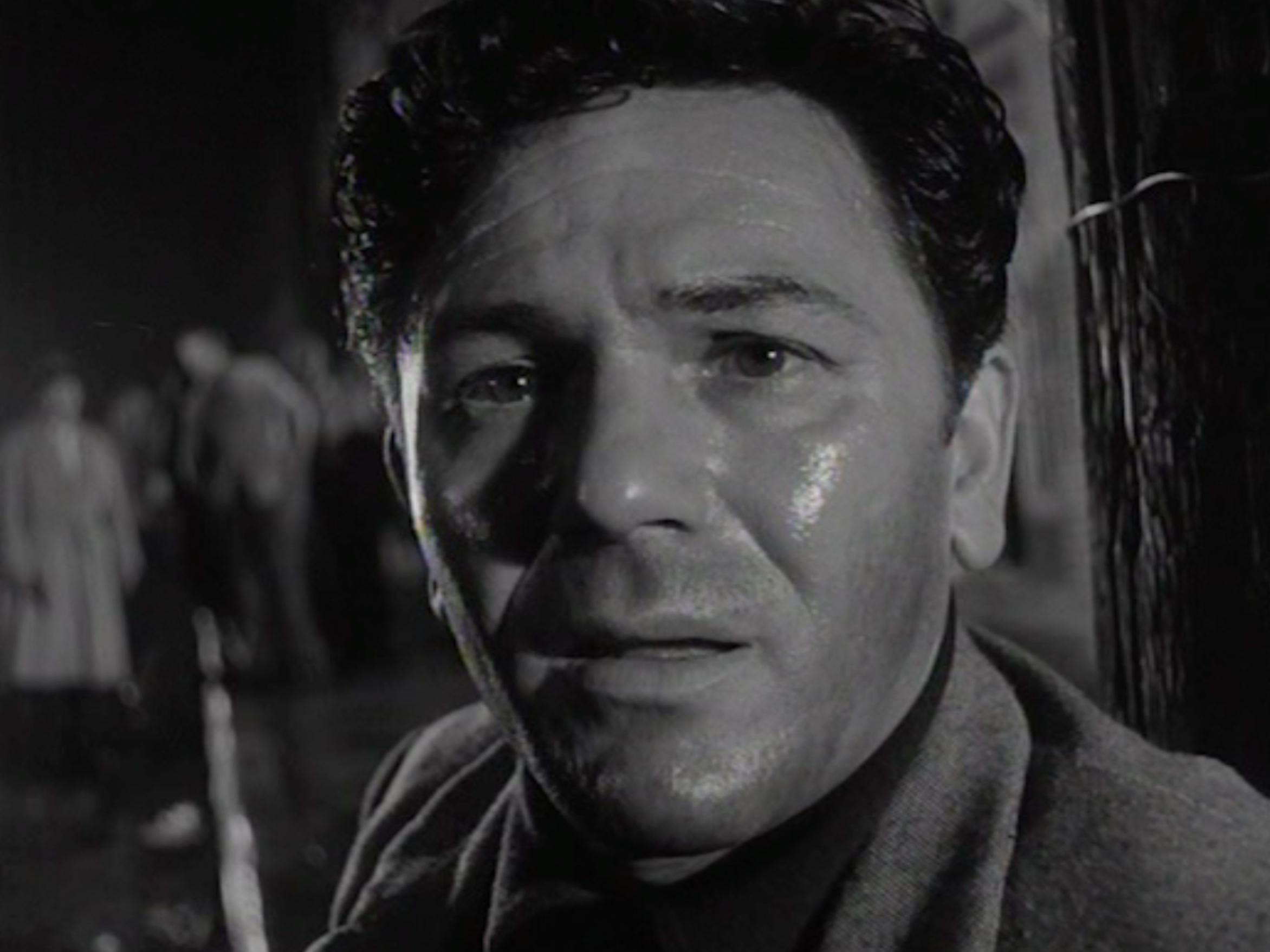
Another feat of editing, Thom Andersen and Noël Burch’s 1996 documentary “Red Hollywood,” which is narrated by the great Billy Woodberry, weaves archival interviews, new interviews, and clips from over forty movies made by blacklisted artists like Paul Jarrico, Alfred Levitt, Ring Lardner, Jr., and Abraham Polonsky, into a showcase of just how ideals of the Hollywood Left were reflected in the cinema they made. The film is structured in sections about war, class, race, the sexes, and crime as it looks at the way these filmmakers tried to address the fractured social systems that had been failing the people of this country at least since the Great Depression (but honestly, probably always if you were a rich white man). You’ll walk away from this film with a massive watch list of subversive classic films; you’ll also be reminded of just how smart studio-made Hollywood films used to be. These filmmakers made movies for adult audiences about adult themes. Films that were entertaining and made you think all at the same time.
While talking about the crime pictures he wrote, Polonsky shares maybe my favorite tidbit from any of the films I watched during this retrospective: “All films about crime are about capitalism, because capitalism is about crime. I mean, quote-un-quote, morally speaking. At least, that’s what I used to think. Now I’m convinced.” Watching these formerly blacklisted filmmakers speak so eloquently about the work they made and their careers that were deferred or outright destroyed by McCarthyism, one feels the loss of intellect in American pop culture acutely.
“High Noon” (1952)
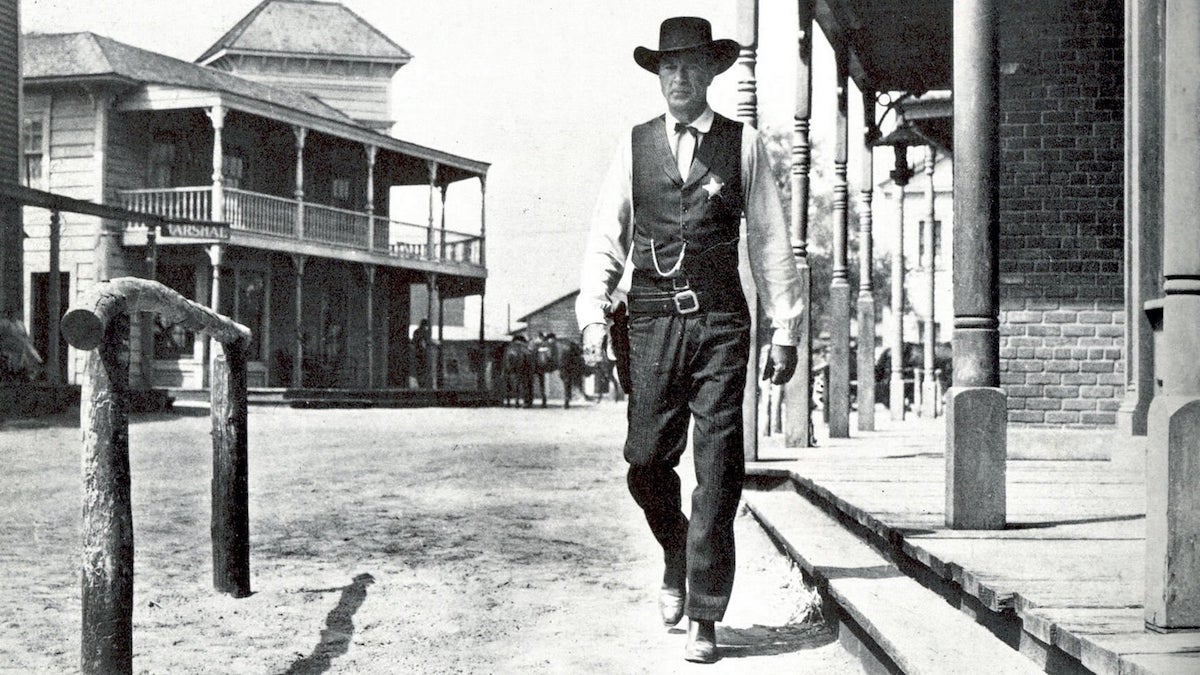
Adapted by Carl Foreman from John W. Cunningham’s 1947 short story “The Tin Star,” “High Noon” is probably one of the most well-known films screened during the retrospective. A winner of four Oscars, including Best Actor for star Gary Cooper as the iconic Marshal Will Kane, a man who must stand alone when his town turns its back on him after a murderer he sent to jail has been set free. Returning on the noon train, Kane spends the hour after his wedding to a young Quaker named Amy (Grace Kelly) trying ( and failing) to raise a posse to face the killer and his gang, despite Kane having helped make the town a place where a “decent woman can walk down the street alone.”
It’s hard not to read the film as an allegory about the filmmakers who found themselves caught up with HUAC (and many books have been written on this very subject). Screenwriter Foreman was called to testify during the film’s production, and although he finished his work on the film, he was eventually labeled “uncooperative witness.” He fled to the U.K., where he could still find work, although he often had to use a false name. A few years later, Foreman co-wrote the screenplay for “The Bridge on the River Kwai,” with fellow blacklistee Michael Wilson (who also penned the retrospective title “Salt of the Earth”). The two did not receive official recognition from the Academy until 1984. Allegedly, Foreman was only told he’d finally be recognized for his work on the Best Picture winner the day before he died from a brain tumor.
“Silver Lode” (1954)
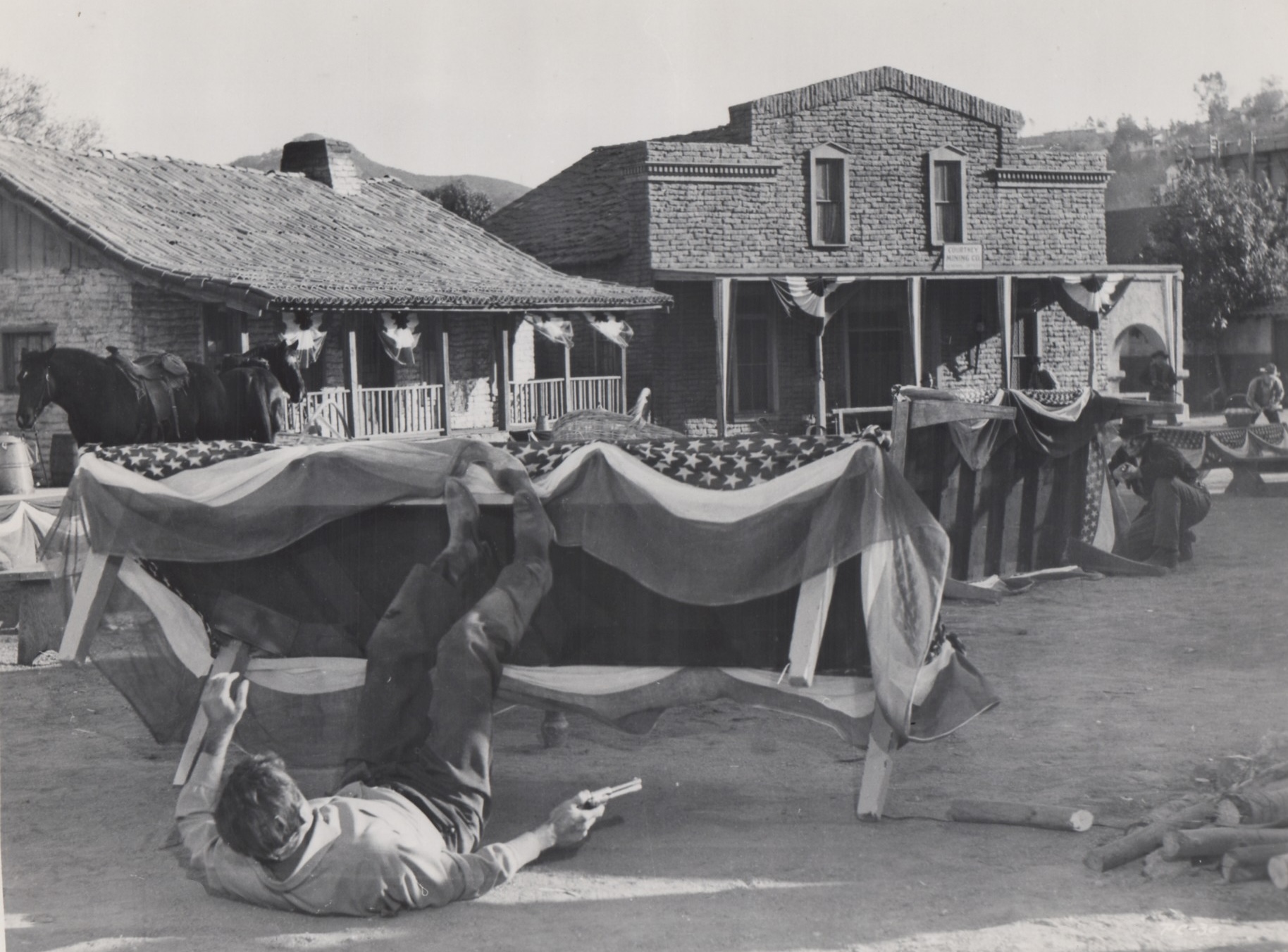
Looking at the plot of “Silver Lode,” this Allan Dawn western appears to be a knock-off of “High Noon.” However, viewed within days of each other, it proves to be a much richer film than that would imply. This was a film I had seen many years ago back when I did weekly Sunday Morning Western screenings; I was excited to rewatch it not just because it was screening on 35mm, but also because I had never thought of the film in terms of the blacklist before its inclusion in the retrospective (despite the lead villain’s name being McCarty!). Written by Karen DeWolf, whose own blacklisting is a point of contention among scholars, the subversive genre flick is a personal favorite of director Martin Scorsese.
The always underrated John Payne stars as Dan Ballard, a relative newcomer to the titular small Nevada town, who is set to marry Rose (Lizabeth Scott), the daughter of its most prominent citizen, on the Fourth of July. Before the wedding can take place, an alleged Marshal named Fred McCarty (Dan Duryea) arrives with two deputies accusing Ballard of murder and theft. At first the townspeople stand by Ballard, but soon, as McCarty’s lies spread, they turn their back on him one by one. At one point Ballard has to shoot his good friend in order to defend himself, and the townspeople ask, “How can you trust someone who will shoot his best friend?” The film, however, asks, “How do you trust someone who would turn on his best friend?”
“Crossfire” (1947)
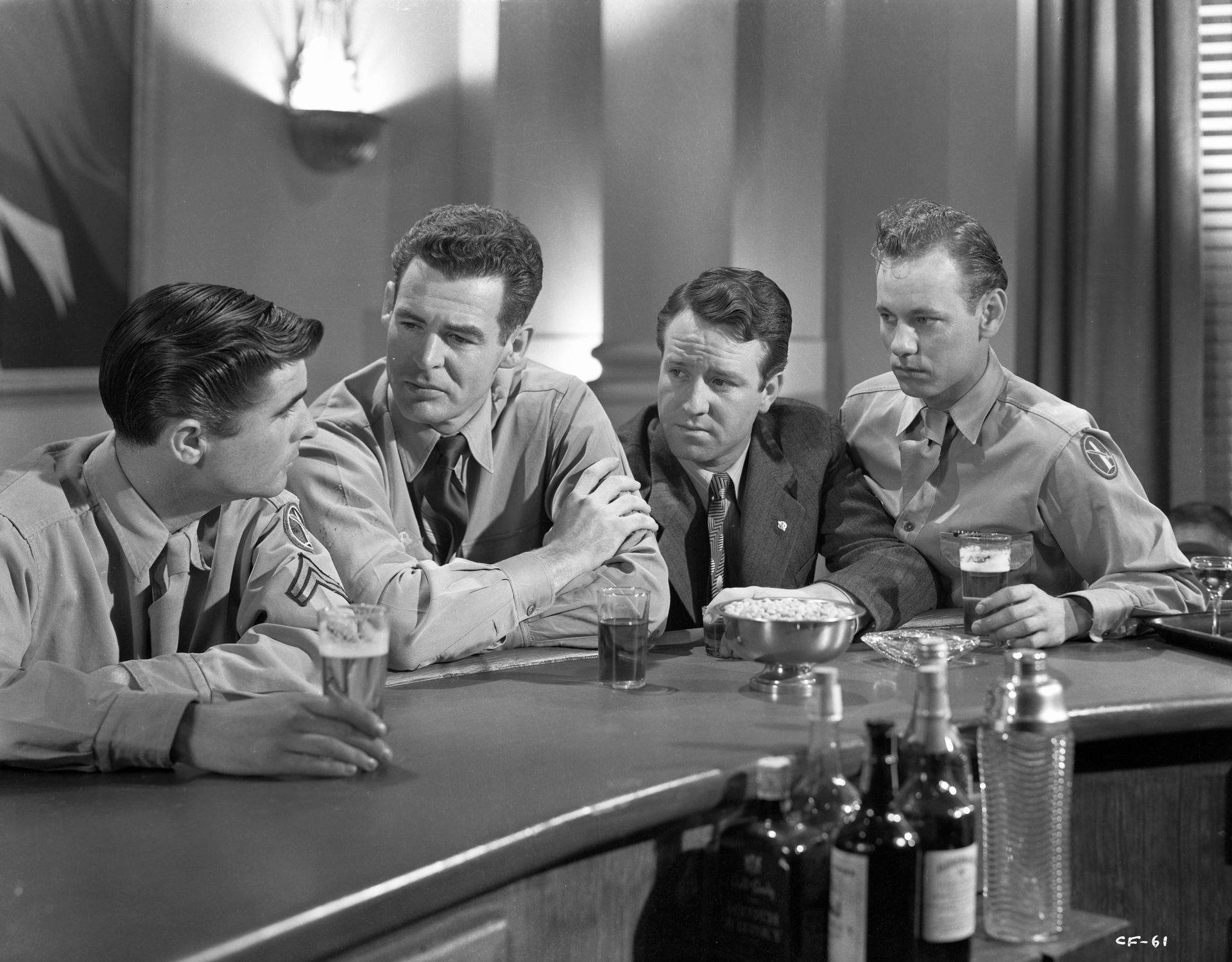
Based on a novel by Richard Brooks, “Crossfire” is both a seminal post-war film noir and an awards-worthy social picture. A B-film that ultimately netted RKO five Academy Award nominations, including for Best Picture and one for Robert Ryan’s incredible performance, it’s a curious film that straddles many strains of Old Hollywood political history and censorship. In Brooks’ original novel, the victim of the hate crime at the center of the story was homosexual. Due to the Hays Code, this had to be changed, as homosexuality was considered “sexual perversion” and forbidden on screen. Although this subtext is hinted at, the victim is changed to a Jewish man, allowing the film to address growing antisemitism and xenophobia in the post-war years, all while transfixing the audience with J. Roy Hunt’s bewitching high-contrast black and white cinematography.
Both screenwriter John Paxton and director Edward Dmytryk were blacklisted shortly after the film became an unexpected success. One of the infamous Hollywood Ten, men who refused to name names and spent time in jail for contempt of Congress, a few years later, when called again before HUAC, Dmytryk named over fifteen individuals. This included screenwriter Arnold Manoff, who died before he ever saw his real name used again on screen; screenwriter John Howard Lawson; and director Jules Dassin, who fled to Europe to keep working. Years later, Dmytryk and Abraham Polonsky were both professors at USC, where it’s said you never wanted to be in a hallway with both of them at the same time. While Dmytryk’s story shows the shame of being the man who betrays his friends, his continued success, as well as others who named names, remains one of Hollywood’s biggest stains, even if the industry refuses to actually contend with it.
“The Front” (1976)
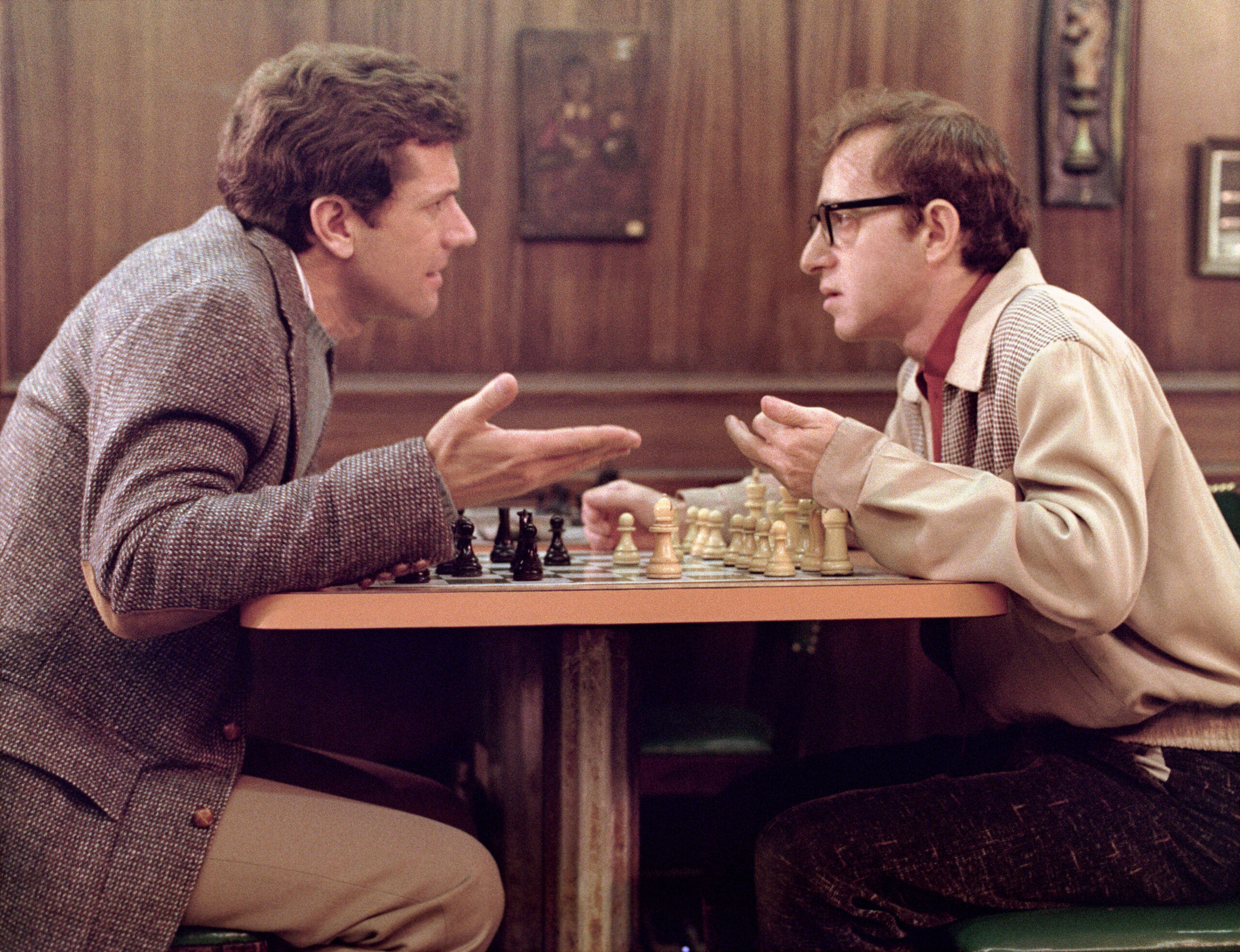
One of the last films screened during the retrospective, this new restoration played to a sold-out afternoon crowd. Written by blacklisted screenwriter Walter Bernstein, directed by blacklisted director Martin Ritt, and starring several one-time blacklistees (Zero Mostel, Herschel Bernardi, and Lloyd Gough, after watching “The Front,” even with its studio-imposed comical tone, you’ll see why someone like Polonsky would never want to be in a room with someone like Dmytryk, who lost the courage of conviction (or maybe never had it to begin with?) and named names in order to keep his career. While the witty bon mots of star Woody Allen, who plays Howard Prince, a restaurant cashier and small-time bookie turned front for a bevy of blacklisted screenwriters, haven’t aged all that well, the serious undertones of the film still carry weight.
It is particularly felt in Mostel’s melancholic performance as Hecky Brown (real name Herschel Bronstein), a popular television comic who loses more than just his career to the blacklist. Inspired by his real-life friend Philip Loeb, who died by suicide after being blacklisted, Mostel’s performance acutely distills just how violent the blacklist really was. Years later, he told his biographer he did the film because “It’s part of this country, and a lot of kids don’t even realize that blacklisting ever existed.” I watched “The Front” on my last day at Locarno, but this quote had me thinking about something Eddie Muller said during his introduction for “Dangerous Citizen” on my first day. He told of a young man who came up to him during a screening of a Polonsky film and couldn’t believe that the blacklist was real, that our government would really jail its own citizens and punish them for their free speech. Muller said that night he knew his job was not done.
Khoshbakht ended his final introduction saying he hoped that “good, old American sense” would come back. As an American whose roots in the country date back to the 1600s, I’m not so sure we ever had it to begin with, although we’ve always been good at selling that illusion of ourselves. My takeaway is that retrospectives like this one, filled with films made by fearless artists who saw the motion picture as an art form that could push for social change and who were then punished by their own government for their ideals, remind us that the American Dream is a fragile, if not a completely false, notion. And that history must be kept alive, or else we are doomed to repeat it.